
Building materials are the foundation of any construction project. Whether you're planning a new home, renovating, expanding a space, or even undertaking a commercial fit-out project, understanding material types is the first step to ensuring a sturdy, safe, and aesthetically pleasing end result.
Many people entrust their projects to contractors without understanding the materials used.
As a result, problems like cracked walls, leaking roofs, or quickly deteriorating floors arise. However, with a little knowledge of materials, you can have more effective discussions with a home builder or architect to ensure the design and quality meet your needs.
This article will discuss in detail 7 building materials that you must understand, especially if you are a beginner, including their advantages, disadvantages, and tips for choosing them so you don't make mistakes when working with a contractor like Bloka Build.
Materials that Beginners Must Know Before Building a House
1. Bricks
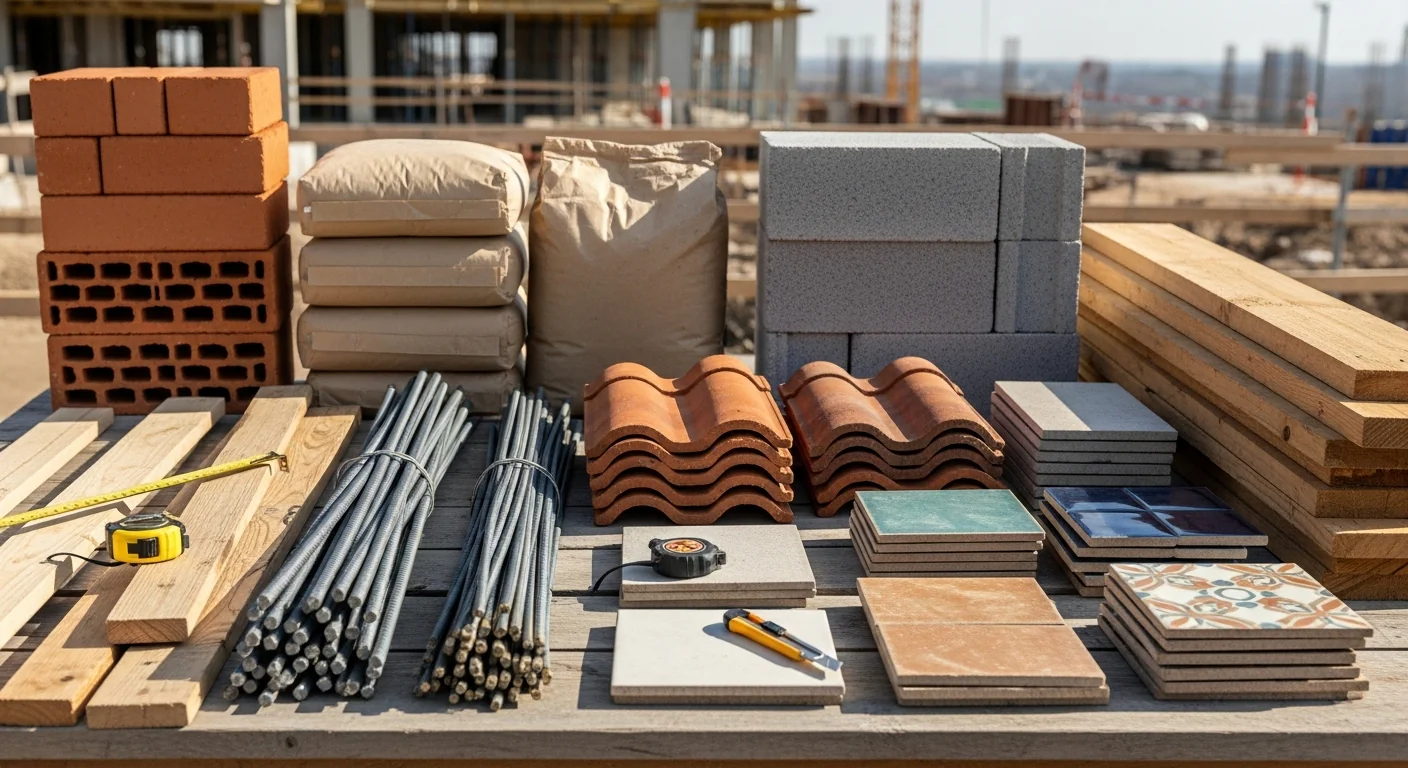
Brick has long been a symbol of strength and durability in the construction world. This material is widely used in homes in Indonesia because it is readily available and relatively inexpensive.
Excess:
Strong resistance to weather and fire.
Easy to apply and tidy up.
Provides good thermal insulation effect — the house becomes cooler.
Lack:
Installation takes more time and effort.
Heavy, thus increasing the load on the structure.
For those of you who use home renovation services or want to add a room to the house, brick is still the ideal choice because its structure is sturdy and can last for decades.
2. Concrete
Concrete is a combination of cement, sand, gravel, and water that forms a high-strength material. Nearly all home construction projects or office contractors utilize concrete, whether for foundations, columns, or floors.
Excess:
Very high compressive strength, suitable for multi-storey buildings.
Fire and extreme weather resistant.
Can be shaped according to requirements (precast, cast in place, etc.).
Lack:
It is difficult to repair once it has hardened.
It requires precise structural calculations to prevent cracking.
Beginners often assume all concrete is the same, but there are actually various types, such as lightweight concrete, reinforced concrete, and precast concrete. Discuss with your contractor to determine the best type for your structure and budget.
3. Light Steel
While wood was once the preferred choice for roof frames, lightweight steel is now replacing it. This material is popular for its light weight, strength, and termite resistance—perfect for home roof renovation projects or the construction of boarding houses and shophouses.
Excess:
Rust-resistant and non-corrosive.
Fast and efficient installation.
Does not require intensive care.
Lack:
More expensive than ordinary wood.
Need experienced technician for installation.
Light steel can also be used as a material for making interiors. commercial fit out services Palembang, because it provides a modern and neat look for office buildings or retail stores.
4. Wood
Although it has been largely replaced by modern materials, wood still retains its high aesthetic value. This material is often used in home architectural projects and interior renovations to add a warm and natural feel.
Excess:
Gives a natural and classic feel.
Easy to shape and customize design.
Suitable for furniture, floors, and wall panels.
Lack:
Susceptible to termites and moisture.
Requires regular maintenance (coating or varnish).
For kitchen or living room renovation projects, using wood in interior elements can add aesthetic value without sacrificing comfort.
5. Glass
In modern home design, glass is not only a decorative element, but also a functional one. professional bathroom renovation services or specialty facility contractors who rely on glass to create a sense of space, cleanliness, and light.
Excess:
Increase natural lighting.
Adds a modern and minimalist impression.
Available in various types: tempered, laminated, frosted, etc.
Lack:
Fragile to hard impacts.
Requires maintenance to keep clean.
Use tempered glass for extra safety, especially in kitchens and bathrooms. Besides being aesthetically pleasing, glass also helps save energy by optimizing sunlight.
6. Ceramics
Ceramic is one of the most flexible building materials. It's often used for floors, walls, and even kitchen backsplashes.
In home renovation services or office contractor projects, choosing the right ceramics can increase the comfort of the room as well as the selling value of the building.
Excess:
Waterproof and easy to clean.
Many choices of colors, motifs, and sizes.
High durability for heavy traffic areas.
Lack:
It can crack if hit by a hard object.
Installation requires special skills to ensure even and neat results.
For areas like bathrooms and kitchens, choose textured ceramic tiles to prevent slipperiness. For a more luxurious look, use granite or marble tiles as accents.
7. Wall Paint
Many people think paint is just for aesthetics, but its function is much more than that. Wall paint protects surfaces from weather, mold, and hairline cracks. In home improvement projects, the painting process is the final step, determining the final impression of your home.
Excess:
The color variations are very wide.
Protects walls from moisture and mold.
Easy to apply and replace at any time.
Lack:
Colors can fade quickly if the paint quality is low.
Needs periodic repainting.
For best results, use weather-resistant exterior paint outdoors and moisture-resistant interior paint indoors. Choose neutral or pastel colors to create a spacious, clean feel.
Additional Tips: Combine Materials Correctly
No material is perfect. The key to successful construction is a balanced combination of strength, beauty, and cost-efficiency.
For example:
Use concrete for the main structure, light steel for the roof, and ceramic for the floor finishing.
For multi-storey houses or boarding houses, add glass elements to make the room appear spacious.
If you work with a professional home renovation service like Bloka Build, they will help you match materials to your design and budget.
Conclusion
Understanding the types and functions of building materials helps you better understand the construction process. This not only prevents waste but also gives you more confidence when discussing work with contractors or home building services.
Each material has its own advantages and disadvantages. The most important thing is to choose the right one for your needs, location, and budget.
Make Your Dream Project a Reality with Bloka Build
Want to build a new home, renovate a kitchen, or add a room with professional, cost-effective results?
Trust Bloka Build — your trusted partner for all your construction and renovation needs.
Bloka Build comes with a team of experienced contractors, a transparent work system, and a guarantee of high-quality results.
Contact Bloka Build now and get a free consultation for your dream home project!