

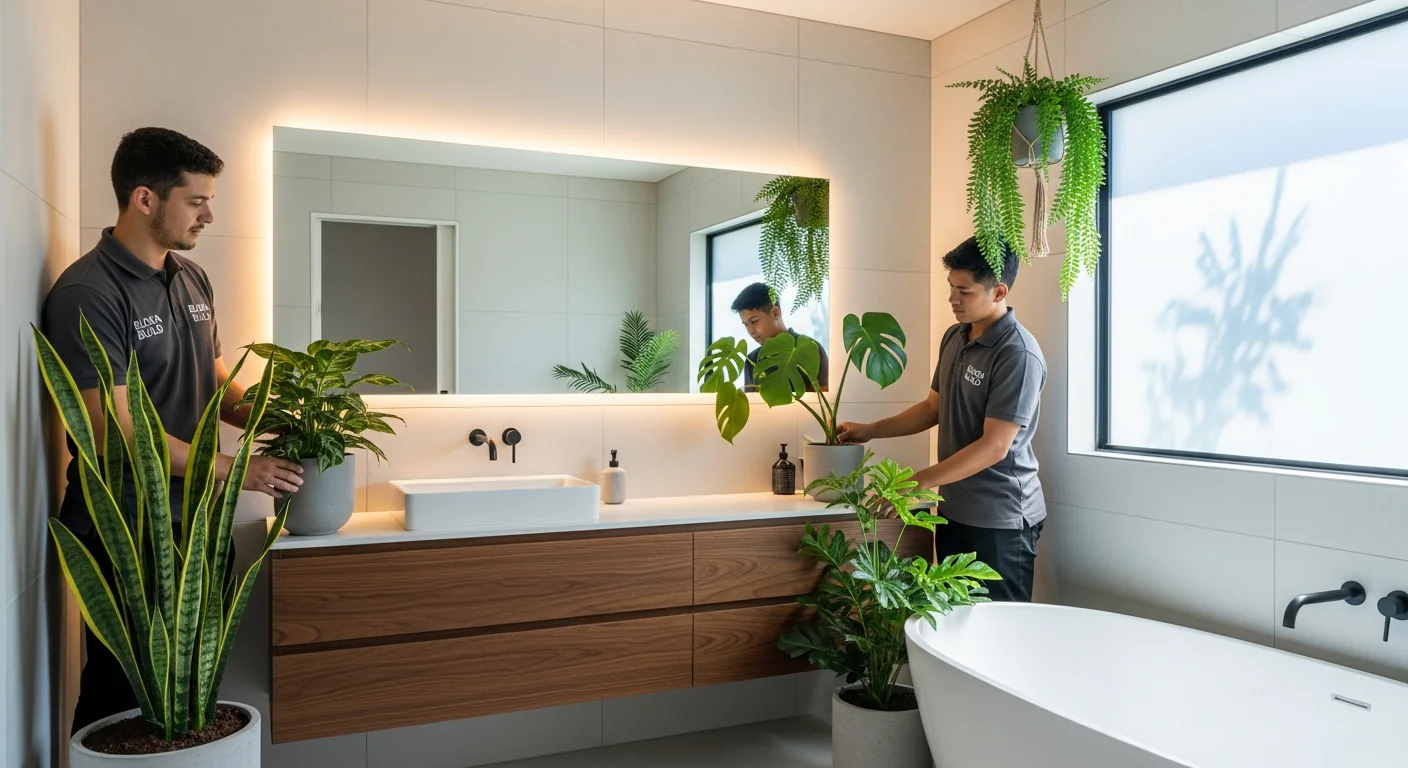
Bathroom plants are gaining popularity because they can create a natural and calming atmosphere in a space often considered merely functional. The presence of plants in the bathroom not only adds beauty but also helps maintain humidity, filter the air, and eliminate unpleasant odors.
In the renovation process, many home building service providers and bathroom renovation services now also recommends the use of ornamental plants as an important decorative element.
For those of you who are planning to beautify your home through the services of a home architect or working with a contractor for a renovation project, don't forget the small details such as ornamental plants.
Although simple, their placement can add a vibrant feel to a modern bathroom. This article will discuss the types of plants suitable for bathrooms and their benefits, so you can choose the ones that best suit your design and space needs.
Why Plants Are Suitable for Placing in the Bathroom
Before choosing a type of plant, it is important to understand the reasons why plants can be the perfect complement to a bathroom.
These rooms typically have high humidity levels, limited light, and limited air circulation. These conditions are actually ideal for certain plants, especially those accustomed to humid environments like tropical forests.
Plants also play a vital role in improving air quality. Steam from showers can cause mold and a musty odor, but some plants can absorb toxins and release oxygen, making the bathroom air feel fresher.
If you're working with a home renovation service or a specialty facility contractor, they may suggest adding natural ventilation and small shelves for planters to make the design more harmonious and functional.
Besides health and beauty, plants can also enhance the aesthetic value of a home. For homeowners looking to add a bathroom or renovate the interior, commercial fit out services, plants are the finishing touch that gives a professional and classy impression.
Criteria for Ornamental Plants Suitable for Bathrooms
Not all plants are suitable for bathrooms. Some plants rot quickly if they are too damp or lack light.
Therefore, it is important to choose plants with certain characteristics so that they can survive in the typical conditions of a bathroom.
High Humidity Resistant
Bathrooms have humidity levels exceeding 60%, so only plants with thick or waxy leaves can survive for long.
Indirect Light
Many bathrooms don't have large windows. Choose plants that tolerate low light, such as tropical varieties or understory plants.
Compact Size and Easy Maintenance
Avoid large plants that require a lot of space. Choose small plants that require minimal maintenance to avoid disrupting the room's functionality.
Doesn't emit a sharp odor
Plants with strong scents can make a room feel stuffy. Choose plants with a mild scent or no scent.
When you use home improvement services or update your bathroom through kitchen and bathroom renovation services, ask the contractor to provide a small area such as a wall shelf or hanging pots to place plants so as not to interfere with the main activity.
Recommended Ornamental Plants Suitable for Bathrooms
1. Mother-in-law's Tongue (Sansevieria)
Snake plant is one of the most recommended plants for bathrooms. It's upright, slender, and hardy in low light and high humidity conditions.
Additionally, this plant is known to be able to absorb air pollutants such as formaldehyde and nitrogen oxides, which often arise from cleaning chemicals.
Interestingly, the snake plant can also thrive without intensive care. Simply water it once a week and place it near a source of natural light.
If your bathroom is small, this plant will not take up much space and still give a modern impression.
2. Pothos (Epipremnum aureum)
The golden pothos is a beautiful climbing plant with green leaves tinged with yellow. It grows easily in water or soil, making it ideal for bathrooms with limited space.
Pothos is able to absorb toxins in the air and is very suitable for placing on hanging shelves or mirror corners.
In home renovation projects or boarding house and shophouse contractors, pothos is often used as an inexpensive yet charming natural decoration. You can place it in a small pot by the sink or hang it for a tropical feel.
3. Aloe Vera
Besides being beneficial for skin health, aloe vera is also an ideal plant for the bathroom.
This plant can survive in humid conditions and requires little sunlight. Aloe vera helps absorb airborne toxins while providing a fresh appearance.
If you use a home building service, ask an experienced interior designer or office contractor to add a little natural lighting in the bathroom so that plants like aloe vera can continue to grow optimally.
Peace Lily (Spathiphyllum)
The peace lily is known as a natural air-purifying plant. It can absorb ammonia, benzene, and other harmful compounds from the air. This plant also displays elegant white flowers that create a clean and calming effect.
Peace lilies are suitable for bathrooms with minimal sunlight. However, you need to water them regularly to prevent the leaves from turning yellow.
In several modern home designs created by home architects, this plant is often used as the main decorative element because of its minimalist and elegant appearance.
Boston Fern
Boston ferns are perfect for humid environments like bathrooms. Their lush, soft leaves add a natural feel. They also help maintain humidity and filter airborne particles.
If you're working with a contractor to renovate your bathroom, consider installing a plant hanger in the corner of the room. Dangling Boston ferns will create a calming, green visual effect.
Spider Plant (Chlorophytum comosum)
The spider plant is known for its long, arching leaves and rapid growth. It tolerates humid air and can be placed in a small pot near the sink or soap dish rack. This plant is also a very effective natural air purifier.
Its advantages include its ease of propagation and its lack of direct light requirements. For those of you who have recently renovated your home through a home renovation service, this plant can be an affordable yet impactful natural decoration option.
Philodendron
Philodendrons are tropical plants that prefer high humidity and indirect light. Their broad, glossy leaves are perfect for adding a luxurious touch to a bathroom. These plants are easy to care for and long-lasting, even for homeowners who rarely water them.
Philodendrons are widely used by commercial fit-out providers to enhance the interiors of hotels, apartments, and luxury homes. For a modern, minimalist bathroom, philodendrons can provide a refreshing, natural focal point.
Monstera
The Monstera, also known as the Swiss cheese plant, is a favorite due to its iconic appearance. The large leaves with natural holes create a tropical and exclusive feel. Monsteras prefer humidity, making them ideal for spacious, well-ventilated bathrooms.
If you're using a bathroom renovation service, request a space design with ample natural light for optimal monstera growth. Besides being beautiful, this plant also creates a relaxing spa-like atmosphere.
Calathea
Calathea is a plant known for its beautiful leaf patterns and tolerance to low light. This plant prefers high humidity, making it ideal for a bathroom. It's easy to care for—just make sure the soil stays moist.
Calathea is a frequent choice for custom facility contractors looking to create luxurious, tropical-inspired bathrooms. Its unique leaf color makes it a striking aesthetic element without the need for additional decoration.
Mini Herbal Plants
In addition to ornamental plants, you can also add small herbs like mint, lavender, or rosemary. Besides their fragrance, these plants can help repel small insects and provide a relaxing bath.
If you're working with a home improvement company or residential contractor, ask for a design that includes small spaces like glass shelves or hanging pots to keep your herbs in check.
How to Care for Plants in the Bathroom
Having plants in the bathroom requires special attention to keep them thriving. Here are some important tips:
- Arrange Air Circulation: Make sure the bathroom has ventilation so that the air is not too humid.
- Use a Pot with Drainage: Plants should not be waterlogged, use a pot with holes to prevent the roots from rotting.
- Rotate Plant Position: Occasionally move the plant to an area that receives direct natural light.
- Use Clean Water: Avoid soapy water or used water, use fresh water for flushing.
- Clean Leaves Regularly: Wipe away dust and soap fumes to keep the leaves shiny.
With this simple care, your houseplants can continue to grow healthily and beautify your bathroom without causing moisture or mold problems.
Conclusion
Adding bathroom plants is not just a trend, but a natural solution to create a relaxing, healthy, and calming atmosphere in your personal space.
Choosing the right type of plant will make the bathroom feel fresher and more characterful without the need for excessive decoration.
If you are planning to renovate your bathroom, beautify your kitchen, or add a room to your house, trust Bloka Build, a professional home building and renovation service provider that understands the aesthetic details and function of a room.
With the support of a team of experts and experience as an experienced contractor, Bloka Build is ready to realize your dream home that is beautiful, healthy, and full of artistic value.