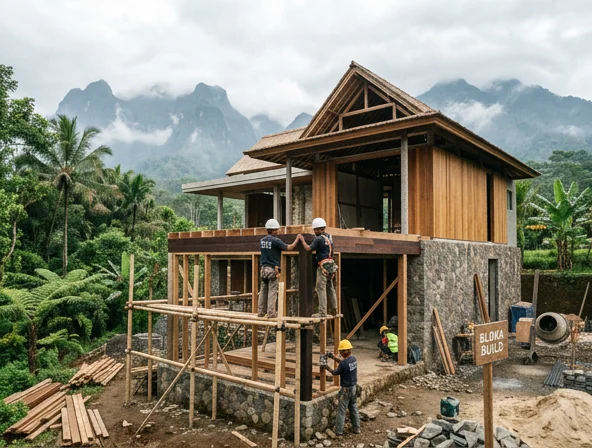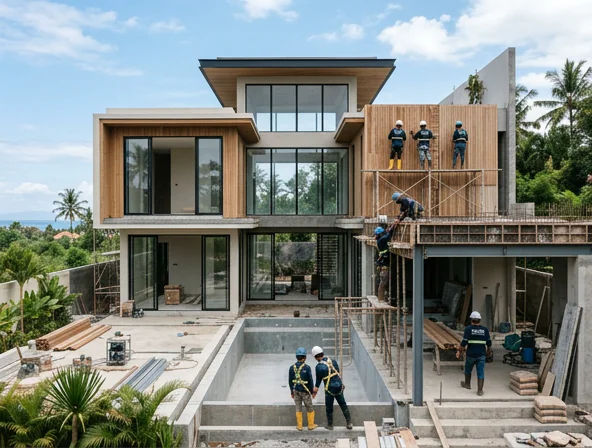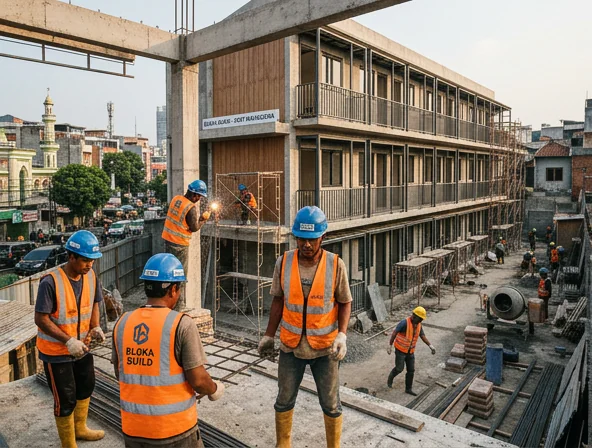


Terms in the world of architecture often sound foreign to lay people who want to build or renovate a house.
In fact, understanding basic architectural terminology is crucial for smooth communication between building owners, architects, and contractors. Without a shared understanding, design errors, cost overruns, and even substandard construction results can occur.
For those of you who are planning to use home building services, home renovation services, or work with home architect services, this article will be a practical guide to understanding the architectural terms most frequently used in building and renovation projects.
Architects and Their Role in Building Projects
Before getting into the technical terms, it's important to understand the architect's role in a project. An architect isn't just a "house draftsman.".
They are tasked with translating client needs into building designs that are safe, functional, aesthetic, and comply with technical regulations and permits.
In practice, architects often work alongside contractors, including contract contractors, office contractors, and specialized facility contractors. Therefore, the terminology used is technical and standardized to ensure it is easily understood by the entire project team.
Architectural Terms and Their Meanings
Floor Plan
A floor plan is a top-down view of a building that shows the division of space, room sizes, the position of doors and windows, and circulation. Floor plans serve as the primary basis for building planning.
For homeowners looking to add a room or undertake a kitchen renovation, a floor plan is crucial for determining whether the space changes are structurally and functionally feasible. Without a clear floor plan, renovations often end in demolition and costly overhaul.
Building View (Elevation)
A building elevation is a visual representation of a building from the front, back, or side. This image shows the facade, building height, roof design, and the character of the house's design.
This term is important for clients who desire a home with a specific style, such as modern minimalist or tropical. In both home building and commercial fit-out projects, the building's appearance is the primary aesthetic reference.
Building Section
A building section is a vertical section of a building that shows the relationship between floors, ceiling heights, roof structures, and other construction details.
For those of you planning to build a two-story home or renovate an existing one, building sections help you understand room proportions and interior comfort. This terminology is also crucial when coordinating with home improvement services or structural contractors.
Site Plan
A site plan is a drawing of the overall building plan for a plot of land. It includes building positions, road access, green areas, drainage, and land boundaries.
Site plans are crucial for boarding house and shophouse contractor projects and commercial buildings, as they relate to spatial planning regulations, building boundaries, and vehicle circulation.
RAB (Cost Budget Plan)
A cost estimate (RAB) is a document detailing construction costs, from structural work to finishing. This term often comes up when clients discuss construction with contractors and architects.
With make a cost estimate Clearly, clients can control their budget from the start. Whether for bathroom renovations, kitchen renovations, or new construction, the RAB helps avoid unexpected costs mid-project.
Technical Specifications
Technical specifications are documents that detail the materials and work methods used in construction. Examples include types of ceramic tiles, paint brands, lightweight steel thicknesses, and electrical installation systems.
This document serves as the contractor's primary reference to ensure the building meets the design. In commercial fit-out projects or specialized facility contractor projects, technical specifications are even more detailed, addressing safety standards and specific functions.
Building Structure
A building's structure encompasses the main supporting elements of a house, such as foundations, columns, beams, and floor slabs. This term is often discussed during the construction phase of a project.
Understanding the structure is crucial to ensuring renovations don't endanger the building. For example, if you want to add a bedroom upstairs, a structural analysis is necessary to determine whether the existing building can support the additional load.
Finishing
Finishing is the final stage of building work that focuses on appearance and comfort, such as installing floors, painting, ceilings, and sanitary ware.
This stage is often a primary concern for clients because it significantly impacts the aesthetics of the home. Whether in home renovations or new construction, finishing determines the final impression of the building.
Ceiling and Ceiling Height
A ceiling is the upper covering of a room, while ceiling height refers to the height of the room from floor to ceiling. Architects typically consider ceiling height to create thermal and visual comfort.
In modern design, higher ceilings give a spacious and luxurious impression, especially for living rooms or family rooms.
Facade
The facade is the exterior appearance of a building, the "face" of the house. This element includes the front wall, main door, windows, and exterior ornamentation.
For those of you who want to increase the aesthetic value or resale value of your home, updating the facade through home renovation services is often an effective solution without having to renovate the entire building.
Building Utilities
Utilities include building support systems such as electricity, clean water, wastewater, ventilation, and drainage. This term is often discussed during the technical planning stage.
In office or commercial building contractor projects, utilities are designed more complexly to support occupant and operational activities.
As Built Drawing
As-built drawing is a drawing of the building in its final condition after the project is completed. This document is important as a technical archive in case renovations or repairs are ever carried out.
Many homeowners regret not having as-built drawings when they want to use home improvement services, because they have to do re-measurements which is time-consuming and expensive.
Design Concept
A design concept is the main idea underlying a building's design, such as minimalist, industrial, or tropical. This concept influences the choice of materials, colors, and shape.
With a clear concept from the start, the design to construction process will be more focused and efficient.
Why is it important to understand architectural terms?
Understanding architectural terms doesn't mean you have to be a building expert. However, with a basic understanding, you can:
- Communicate more effectively with architects and contractors
- Avoiding misunderstandings in design and budget
- Controlling the quality of work
- Make more informed decisions
This is very important, both for residential and commercial building projects.
Bloka Build, Your Professional Building & Renovation Partner in Palembang
As experienced Palembang contractor services, Bloka Build not only carries out construction and renovation, but also helps clients understand every process and technical term in easy-to-understand language.
We serve:
- Home building services
- Home, kitchen and bathroom renovation services
- Add a room to the house
- Boarding house & shophouse contractor
- Commercial fit out services and special facilities
With a professional team and a transparent approach, Bloka Build is ready to be your trusted partner in realizing your dream building.
Are you planning to build or renovate a house in Palembang, but confused by architectural terms and building techniques?
Just trust Bloka Build.
Consult your needs now and get a clear, planned, and budget-friendly building solution with Bloka Build's professional team.