
A home's drainage system is a crucial element that is often overlooked during construction or renovation. Yet, this system plays a crucial role in maintaining the quality of the building's structure, preventing it from being easily damaged by standing water or moisture. Whether you're planning a new home, using a home building service, or... home renovation services, or using a contractor for a personal project, understanding the types of home drainage systems is the first step to creating a healthy, safe, and long-lasting home.
Water that is not properly managed can seep into walls, cause mold, and even damage foundations.
Therefore, it is important for every homeowner to know the types of drainage systems and how to apply them properly.
This article will thoroughly discuss home drainage systems, from their definition, function, types of systems, to maintenance tips to ensure they remain optimal throughout the year.
What Is a Home Drainage System and Why Is It Important?
A home drainage system is a series of channels designed to channel water from inside and around the home to a safe disposal site.
The main goal is to prevent waterlogging, seepage, or damage to building structures due to excessive moisture.
In the construction or renovation process, many homeowners focus on interior or exterior design, but forget the importance of planning a drainage system.
In fact, this system is included in the vital parts that are carried out by special facility contractors or experienced home architect services.
A poor drainage system can cause many problems, such as:
- Damp and moldy walls
- Cracked foundation due to stagnant water
- The land around the house becomes unstable
- Increased risk of flooding in low-lying areas
Therefore, every home improvement service project or commercial fit out services must include drainage systems in the design and construction implementation stages.
Main Functions of a Home Drainage System
A home's drainage system serves a broader purpose than simply draining rainwater. Some of its primary functions include:
Controlling Rainwater
Rainwater falling on roofs, yards, or parking areas needs to be directed to prevent pooling. A good drainage system ensures that the water flows into the main drain without causing soil erosion.
Protecting Building Structures
Water that collects around a house's foundation can cause cracks and structural subsidence. Drainage helps maintain foundation stability by regulating groundwater circulation.
Preventing Local Flooding
In densely populated areas like housing complexes, poorly designed drainage can cause minor flooding during heavy rains. With proper design, each house plays a role in channeling water in the right direction without causing overflow into neighboring areas.
Improving Environmental Health
Stagnant water often becomes a breeding ground for mosquitoes and microorganisms. A proper drainage system keeps your home environment clean, healthy, and free from unpleasant odors.
These functions prove that drainage is not just a complement, but an important foundation of the quality of the construction itself.
Types of Home Drainage Systems Based on Their Function
Each house has different drainage needs depending on location, soil type, and building conditions.
Here are some types of home drainage systems commonly used by experienced contractors such as Bloka Build.
Surface Drainage System
This type of drainage system is the most common and readily found in many homes. Surface drainage is responsible for channeling water from open areas such as yards, terraces, or driveways to gutters or absorption wells.
This system usually consists of small ditches or open channels with a certain slope so that water can flow smoothly.
Residential contractor or kitchen renovation services often use this system to avoid puddles in the backyard area or around the building.
Superiority:
- Installation costs are relatively cheap
- Easy to clean and repair
- Suitable for tropical climate areas such as Indonesia
Lack:
- Not ideal for areas with limited space
- Can cause odor if not maintained
Subsurface Drainage System
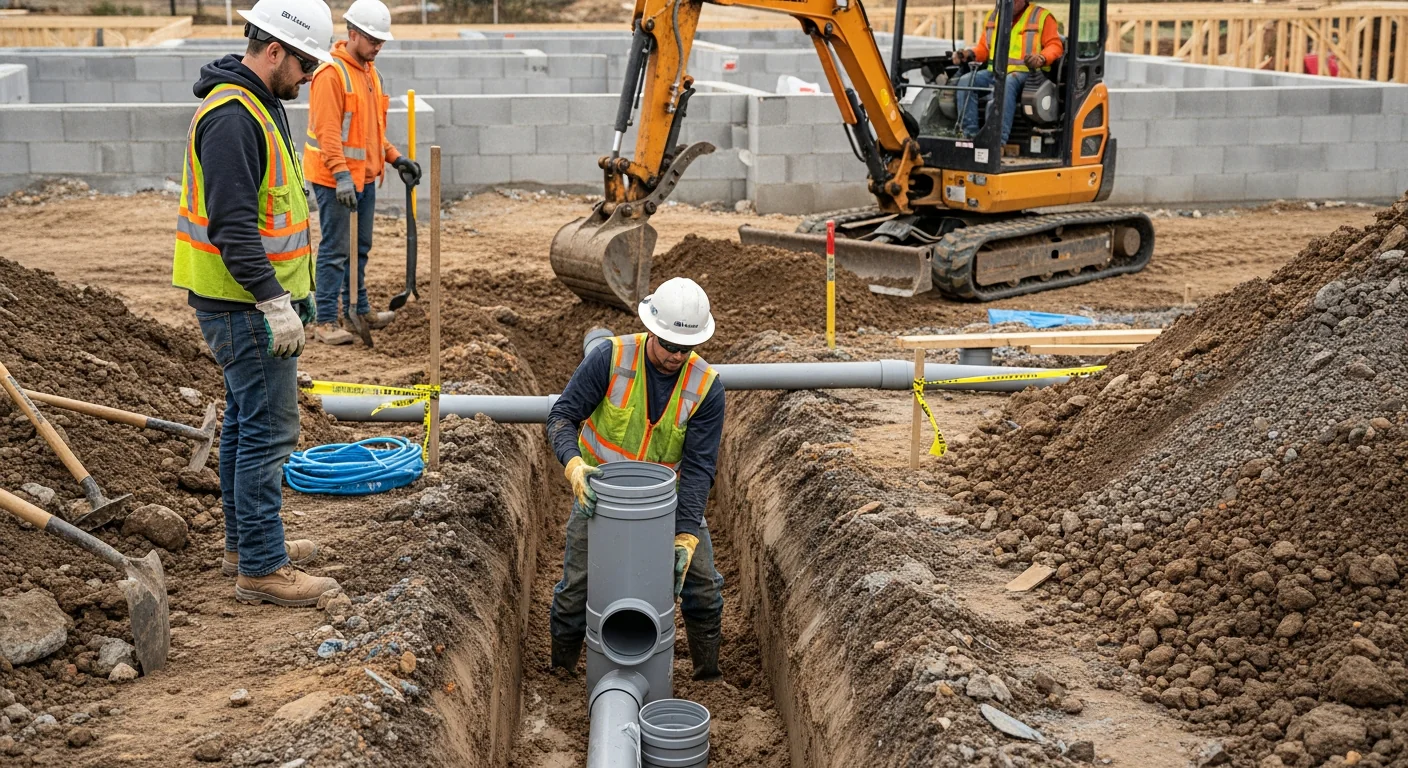
Underground drainage is used to drain water that has seeped into the ground. This system works with perforated pipes that are planted below the ground surface to collect excess water and channel it to a disposal site.
This type is commonly applied to commercial buildings such as office contractors, boarding house & shophouse contractors, or large home areas that require soil moisture control.
Superiority:
- Maintaining the stability of the foundation structure
- Does not interfere with the aesthetic appearance of the house
- Effective for areas with high rainfall
Lack:
- Installation costs are more expensive
- Requires professional planning
Vertical Drainage System
Vertical drainage systems are used to channel water from deeper soil layers to upper layers, or vice versa. They are often used in large projects or areas with high groundwater levels.
For residential homes, this system can be used around infiltration wells or basements. Installation requires expert personnel from a specialized facility contractor with experience in geotechnical engineering.
Combined Drainage System
This system combines two or more of the above drainage types to achieve optimal results. For example, a home with a large yard might use a surface system for rainwater and an underground system to control soil moisture.
Professional home architects or home builders typically design this system from the initial design stage to ensure water flows don't interfere with each other. This combination of drainage systems is ideal for modern homes and commercial buildings that prioritize efficiency.
Important Components in a Home Drainage System
In order for the drainage system to function optimally, there are several main components that must be considered in its planning:
- Main Drain – the main water drainage line.
- Gutters and downspouts – channels from the roof to the ground.
- Trench drain – a small channel around the garage or yard.
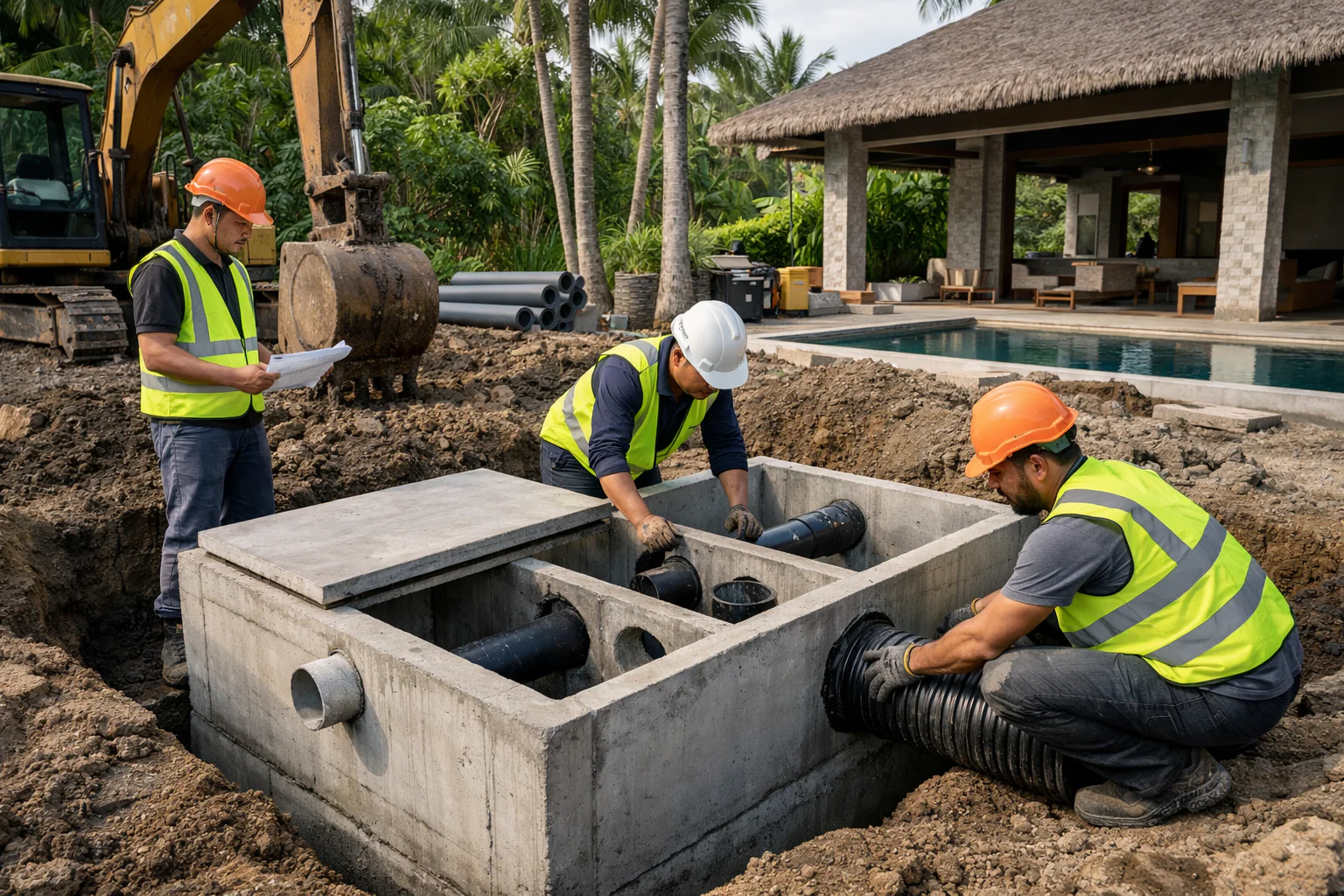
- Catch basin (water catchment tank) – a place to temporarily collect rainwater before it is discharged.
- Infiltration well – an area where water is absorbed into the ground to prevent excessive runoff.
In bathroom renovation service projects or kitchen renovation services, the use of components such as floor drains and PVC pipes is also part of the home drainage system that should not be ignored.
Tips for Designing an Efficient Home Drainage System
Designing a drainage system isn't something to be taken lightly. Many factors must be taken into account, including soil type, elevation, and rainwater flow direction. Here are some tips from professional contractor Bloka Build:
Pay attention to the land contour
Make sure the water flows toward the drain and not toward the building. If necessary, create a slight slope in the yard.
Use Quality Materials
Choose a pipe with a thickness and diameter appropriate to the water volume. Avoid cheap materials that can easily break or clog.
Add an Infiltration Well
Infiltration wells help channel rainwater directly into the ground, while maintaining groundwater balance.
Plan from the start of development
The installation of a drainage system should be planned from the initial stage by a home building service or contractor to make it more efficient and eliminate the need for re-dismantling.
Check and Clean Regularly
Clogged drains can impede water flow. Clean them at least once every three months to ensure the system remains in good working order.
Common Mistakes in Home Drainage Systems
Many homes experience drainage problems due to planning and installation errors. Here are some common mistakes:
- Not making enough slope in the channel, causing water to stagnate.
- Use small pipes for areas with large water discharge.
- There is no control tank for channel maintenance.
- Combining wastewater and rainwater in one channel, which can cause odor.
Avoiding these mistakes is crucial, especially if you're using services like boarding house and shophouse contractors or home improvement services that handle multiple projects simultaneously. Poor drainage quality will have a long-term impact on a building's value and comfort.
Maintenance and Improvement of Old House Drainage Systems
For those of you with older homes, updating your drainage system can be a crucial step in preventing structural damage. With the help of professional home renovation services like Bloka Build, you can:
- Cleaning and replacement of old pipes
- Creation of additional channels in the yard area
- Land surface slope repair
- Installation of underground drainage system
This regular maintenance not only maintains the aesthetics of the house, but also extends the life of the building and prevents bigger problems in the future.
Conclusion
A well-designed home drainage system will maintain the comfort and safety of your home from the threat of flooding, humidity, and structural damage.
Whether you're building a new home, renovating a bathroom, adding a room, or renovating an existing home, make sure the drainage system is a major part of your project planning.
For the best results, entrust the design and installation process to Bloka Build, a professional contractor experienced in handling various construction projects, renovations, and commercial fit-outs.
With expert staff, quality materials, and thorough planning, Bloka Build is ready to help you create a comfortable, safe, and flood-free home.