
Termite-resistant materials are a crucial element in new home construction, ensuring durability and resistance to rapid deterioration. Many homeowners focus on design, interior design, or finishing, but often overlook termite protection.
In fact, termite damage can cause significant losses, especially if the material used is made of wood or has organic components that rot easily.
In the modern construction world, professional home building services Many now recommend using termite-resistant materials from the early stages of construction. This not only prevents damage but also maintains property value.
For those of you who are planning a building or working with a contractor, understanding the types and benefits of termite-proof materials is a wise step to ensure your new home is more durable and safe.
Why is Anti-Termite Material Important?
Termites are the primary enemy of buildings with wooden components. They work silently, but their impact can destroy wooden foundations, frames, and even roof structures.
This damage is often not visible from the outside, but when it is severe, the repair costs can reach millions of rupiah.
Using termite-resistant materials from the start is like providing a "shield" for your home. When working with a home architect or contractor, the selection of these materials is usually included in the design and construction planning stages. This way, you won't have to worry about major repairs in the future.
In addition, the use of anti-termite materials also shows a more professional construction quality.
Many office contractors and commercial fit out services apply this principle to maintain the durability of furniture, partitions, and other interior elements from the threat of destructive insects.
Recommended Types of Anti-Termite Materials
For new homes, there are a variety of materials available to protect against termites. Each material has its own characteristics and advantages. Here are some common materials used by professional home builders:
1. Preserved Wood
Wood is the most common material targeted by termites. However, that doesn't mean you can't use it.
Choose wood that has been preservative-treated with anti-termite chemicals such as borax, boric acid, or sodium permethrin. This process is usually performed before the wood is used for door frames, ceilings, or roof trusses.
Some types of wood that are naturally resistant to termites include teak, merbau, and ironwood. Although more expensive, these woods provide long-term protection without requiring excessive routine maintenance.
2. Concrete and Lightweight Bricks
Concrete is a highly recommended material for those of you who want to build a termite-proof home. Besides being strong, this material doesn't contain cellulose, which is the primary food source for termites.
The use of concrete for foundations, walls, and main structures has become standard in modern contractor projects.
Lightweight bricks can also be an economical alternative that's termite-resistant and easy to apply. Combining lightweight bricks with cement plaster creates a strong wall that's resistant to termite infestation.
3. PVC and UPVC
For elements such as doors, windows, and frames, PVC (Polyvinyl Chloride) or UPVC (Unplasticized Polyvinyl Chloride) materials are now widely used by home renovation services. These materials are resistant to termites, water, and extreme weather changes.
The advantage is that PVC also does not require complicated maintenance such as repainting, making it suitable for homeowners who want practicality and durability.
4. Gypsum and GRC
Gypsum board and GRC (Glassfiber Reinforced Cement) have become popular materials for ceilings and partition walls. Besides their sleek appearance, these materials are termite-resistant because they don't contain wood fibers.
Special facility contractors or commercial fit outs usually use GRC for the interior of buildings, offices, and shophouses because of its resistance to insect attacks and high humidity.
5. Light Steel
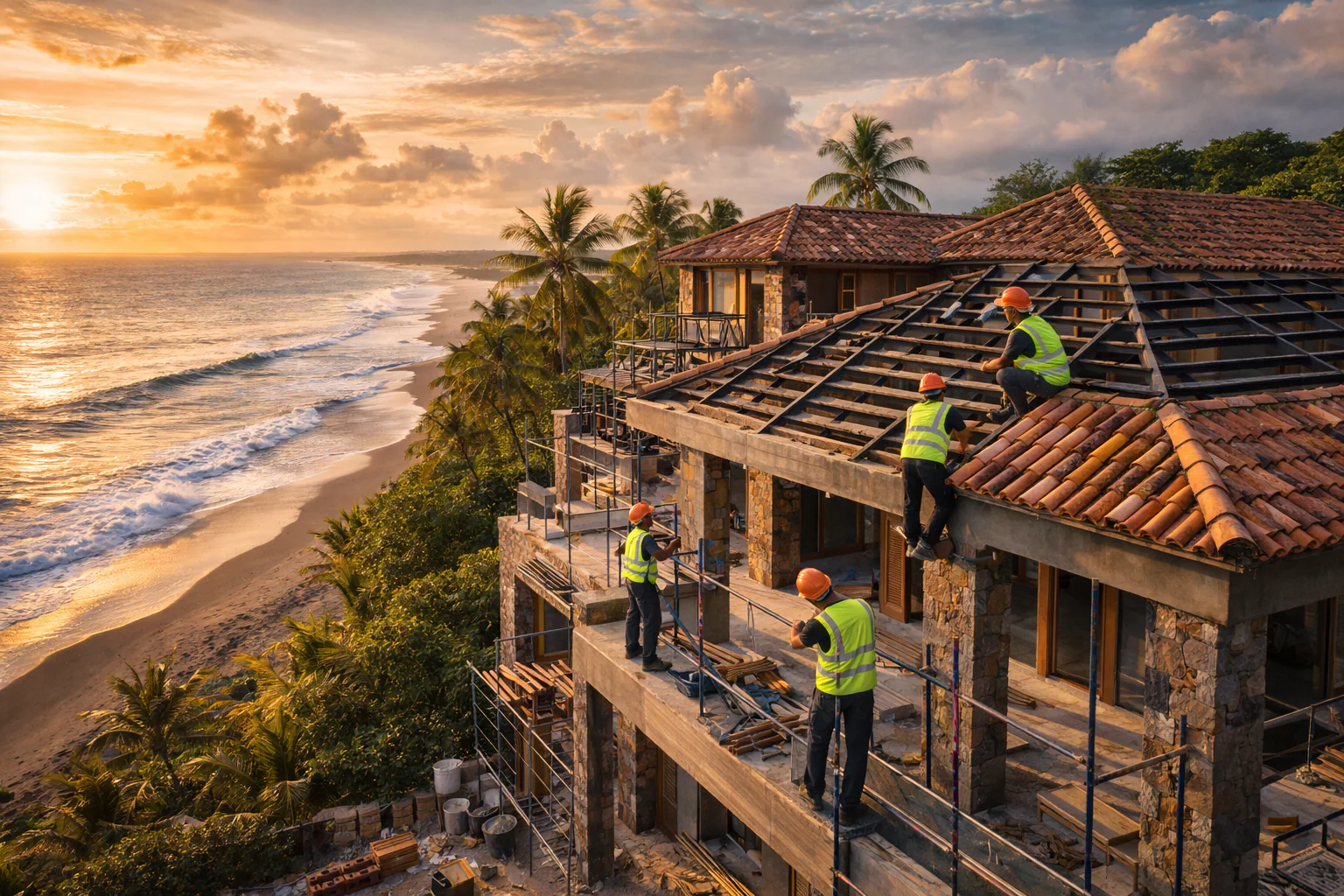
In recent years, lightweight steel has become a popular choice for home roof frames. Not only is it lightweight and easy to install, but it's also termite-resistant.
Many residential contractors recommend lightweight steel for its rust-resistant, strong construction, and decades-long lifespan. If you're looking to build a modern, minimalist home, this material is ideal.
Additional Treatment for Anti-Termite Protection
In addition to using termite-resistant materials, you can also add special treatments to the building structure for greater protection. kitchen renovation services and bathroom renovation services now include this protection step in their work processes.
1. Soil Treatment (Soil Treatment)
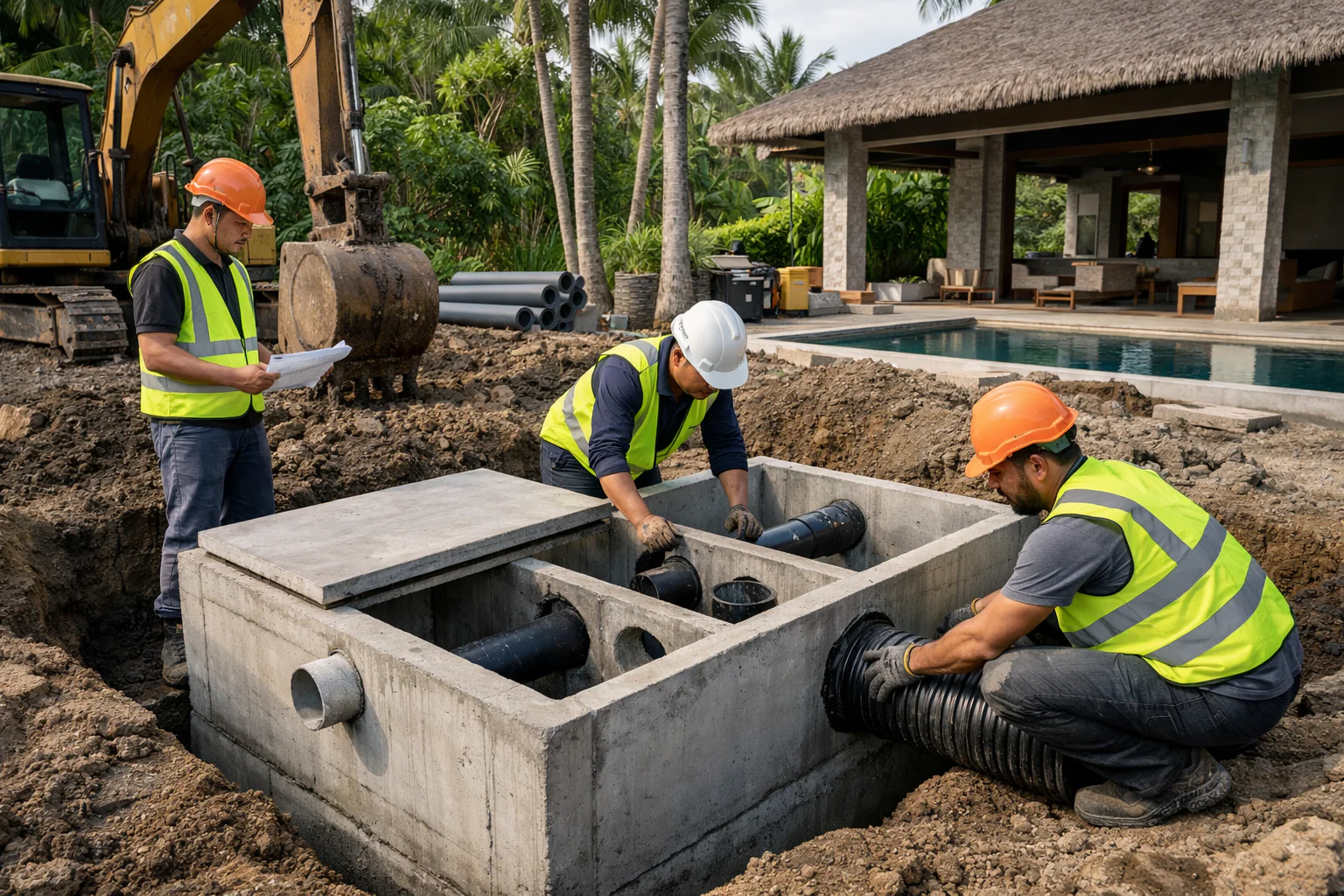
Soil treatment involves spraying anti-termite chemicals on the soil before pouring the foundation. The goal is to prevent termites from entering the house through underground passages. This process is highly recommended by experienced building contractors.
2. Applying Anti-Termite Spray to Wood
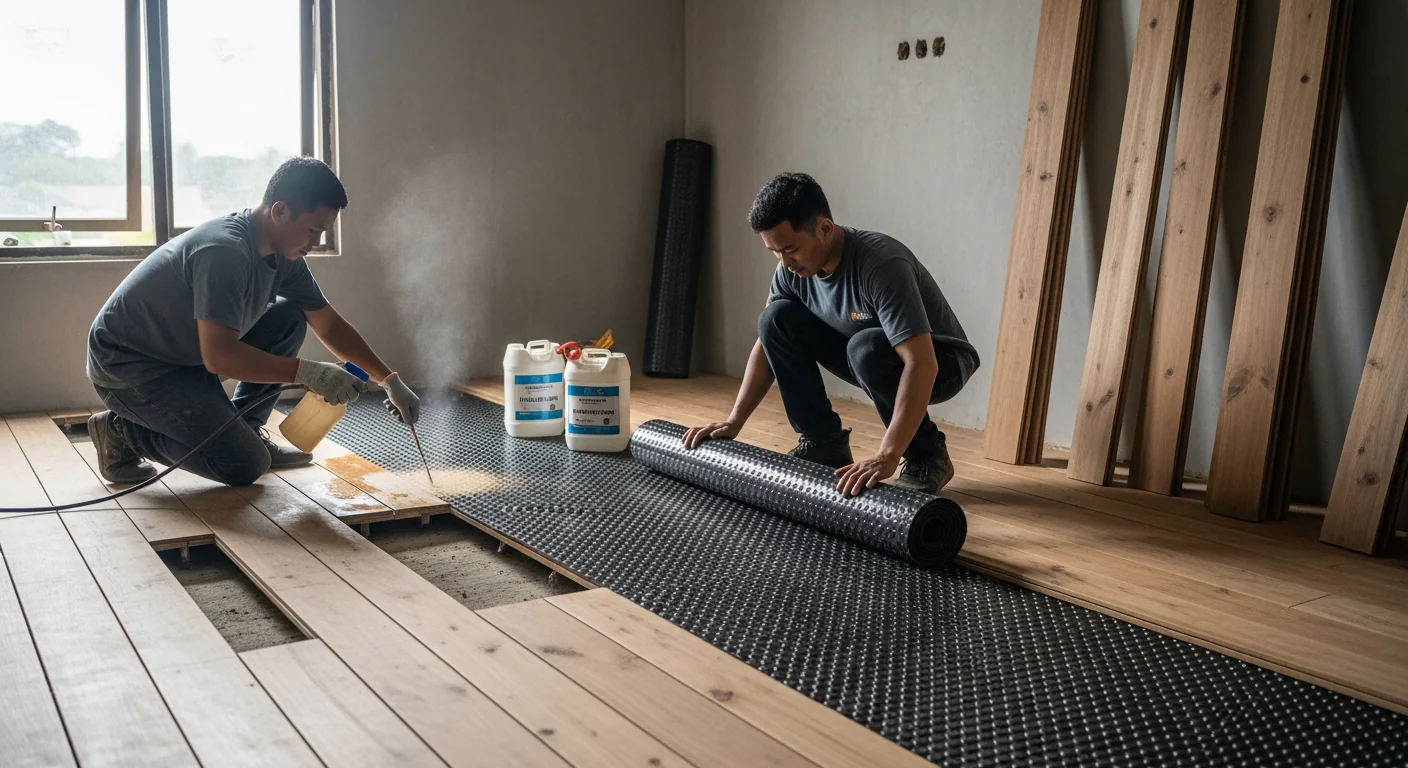
Any wooden parts to be installed should first be coated with an anti-termite solution. This material will penetrate the wood's pores and provide comprehensive protection. This application process is simple, but the results can protect the wood for years to come.
3. Use of Anti-Termite Coating on Walls and Floors
Special chemical coatings are now available that can be applied under ceramic tiles, inside walls, or in specific areas to prevent termites from entering. These products are typically used by boarding house and shophouse contractors who want extra protection without changing the building's appearance.
Characteristics of a House Infected by Termites
Recognizing the early signs of a termite infestation is important so that treatment can be administered promptly before the damage spreads. Some signs you can look for include:
- There is fine wood dust around the door frame or furniture: This is the remains of termite food that usually appears unnoticed.
- “Empty” sound when tapping on wood: If it sounds hollow, it is likely that the wood has been eaten by termites from the inside.
- The appearance of dirt tracks in walls or floors: These tracks are tunnels that termites use to move around.
- Blistering paint or wall surfaces: Termites can cause the layers behind the paint to lift due to their activity inside.
If you find these signs, immediately consult a home repair service or professional contractor so that preventive measures or repairs can be taken as soon as possible.
Steps to Building a Termite-Proof House with a Professional Contractor
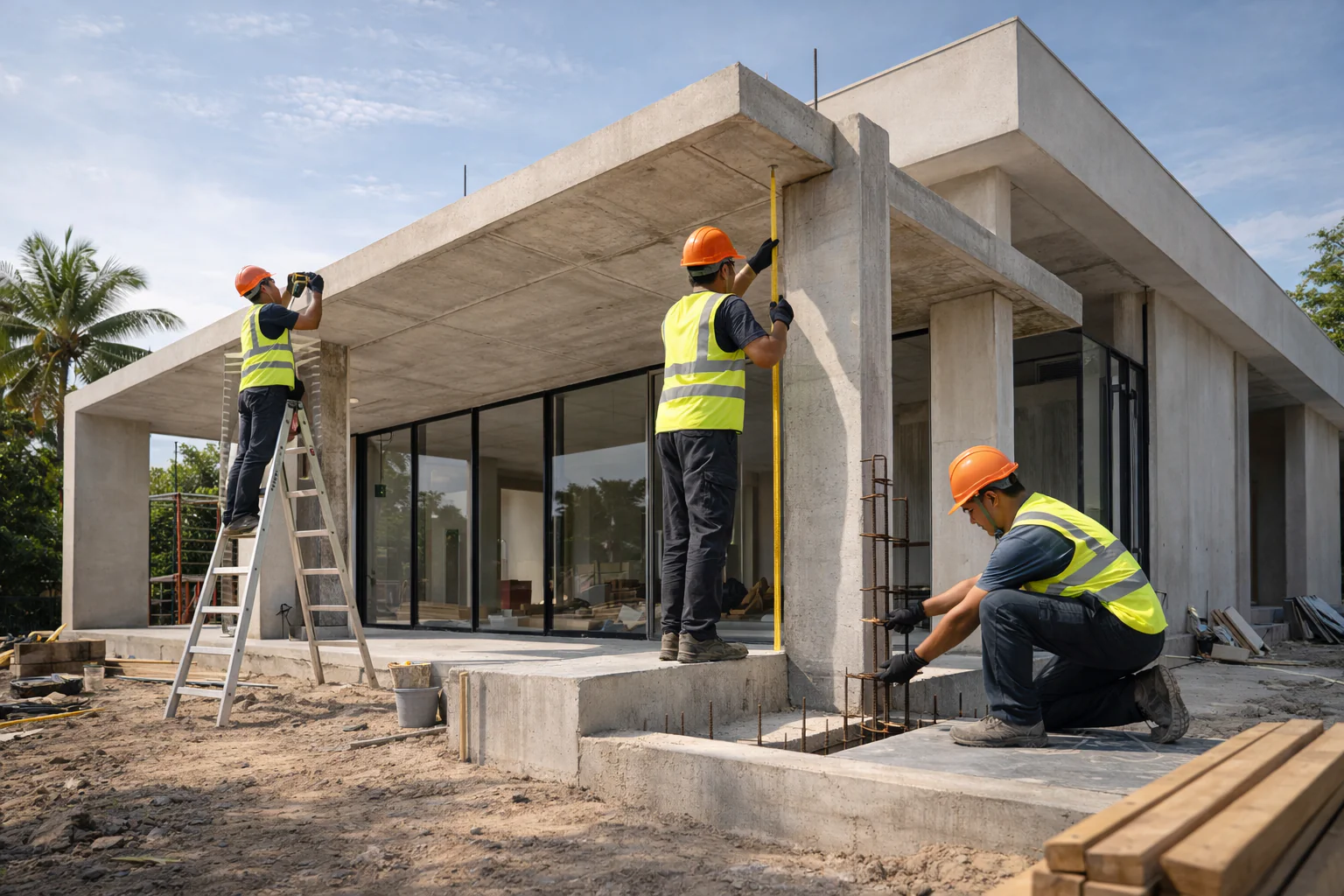
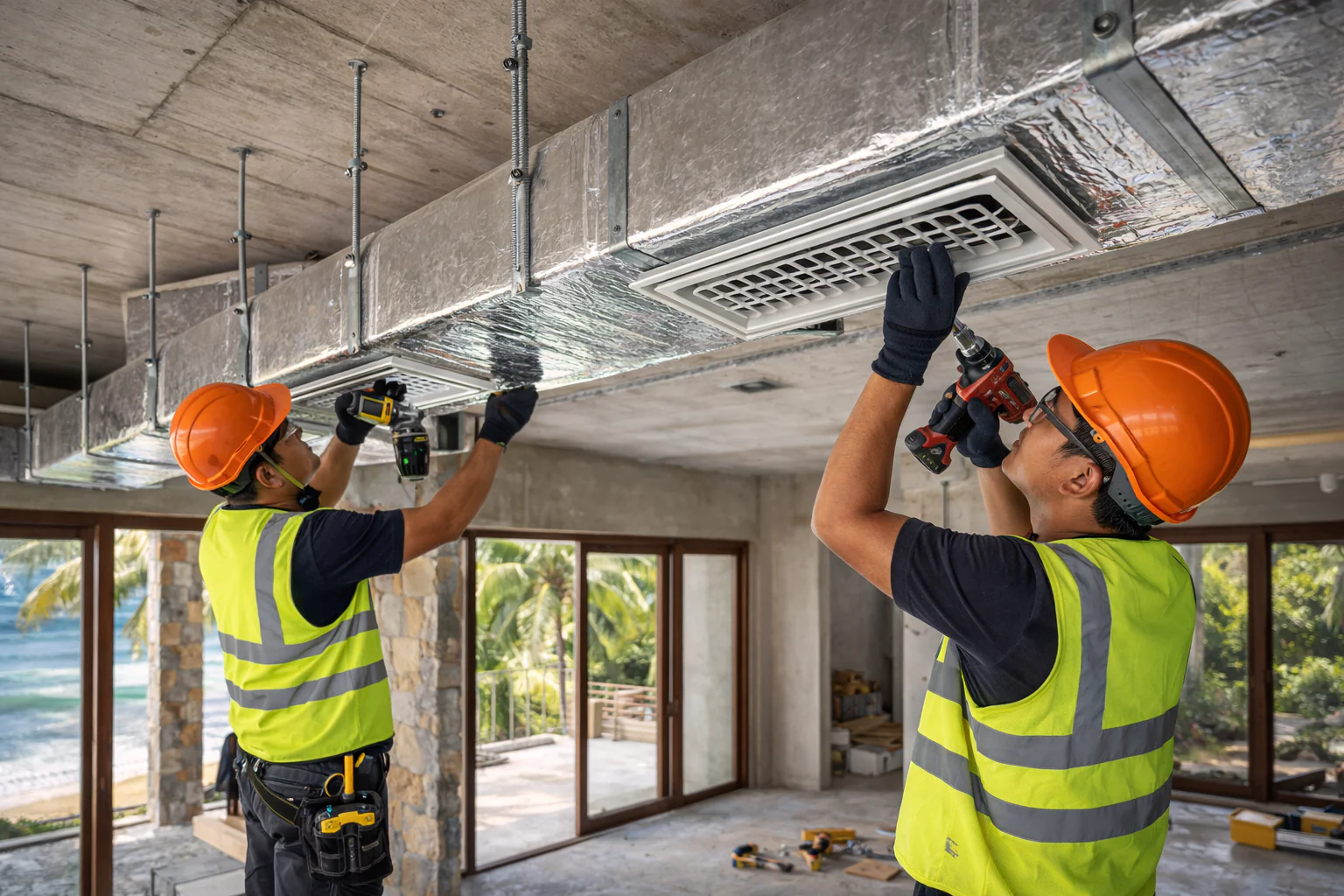
Building a termite-resistant home isn't just about choosing materials, but also about the proper construction process. Professional home builders typically have established work standards that include:
- Selection of anti-termite materials from the planning stage.
- Soil treatment before foundation.
- Strict supervision when installing wood or fragile materials.
- Retest damp areas such as kitchens and bathrooms.
Additionally, working with an experienced contractor like Bloka Build provides added benefits as they understand the importance of material quality and long-term protection.
A professional team will help you choose the best materials, adapt them to your design, and organize the construction process to be efficient and within budget.
Additional Tips to Keep Your Home Termite-Free
- Avoid storing used wood or organic materials around the house.
- Make sure the house area is always dry and has sufficient ventilation.
- Use furniture made of synthetic materials or metal in damp areas.
- Check the frames, doors and ceilings regularly.
- Perform maintenance at least once a year with professional services.
By taking these steps, your home will be more durable, comfortable, and free from the threat of termites in the long term.
Conclusion
Choosing termite-resistant materials for a new home is a smart move for anyone looking to build a long-lasting home.
Not only does it protect the building structure, but it also saves on future renovation costs. From preserved wood to lightweight steel, each material has its own advantages when applied correctly.
If you are planning to build, renovate, or even add space to your home, such as adding a bedroom, renovating the kitchen, or commercial projects such as shophouses and offices, make sure to choose a contractor who understands the importance of termite protection from the start.
Use Services from Bloka Build
Build your dream home without worrying about termites with professional services from Bloka Build.
As an experienced contractor, Bloka Build offers complete construction solutions: from design and selection of termite-resistant materials to efficient and high-quality construction processes.
Contact Bloka Build now and create a termite-resistant, sturdy, and comfortable home for your family.