
Determining the lighting points of a house is not just a technical matter, but an important part of creating comfort, energy efficiency, and interior aesthetics.
Many people who are building or doing home renovation services often take the position of the lights for granted, even though their placement can greatly affect the atmosphere of the room.
Whether you're working with a home builder, a contractor, or an architect, understanding these guidelines will help ensure your home looks its best, is bright, and is energy efficient.
Good lighting not only makes a room look beautiful, but also supports daily activities.
Incorrectly positioning lighting can result in a room that's too dark, creates too much shadow, or even creates too much glare. Therefore, let's learn how to correctly position lighting in your home, efficiently, and aesthetically.
The Importance of Determining Home Lighting Points From the Start
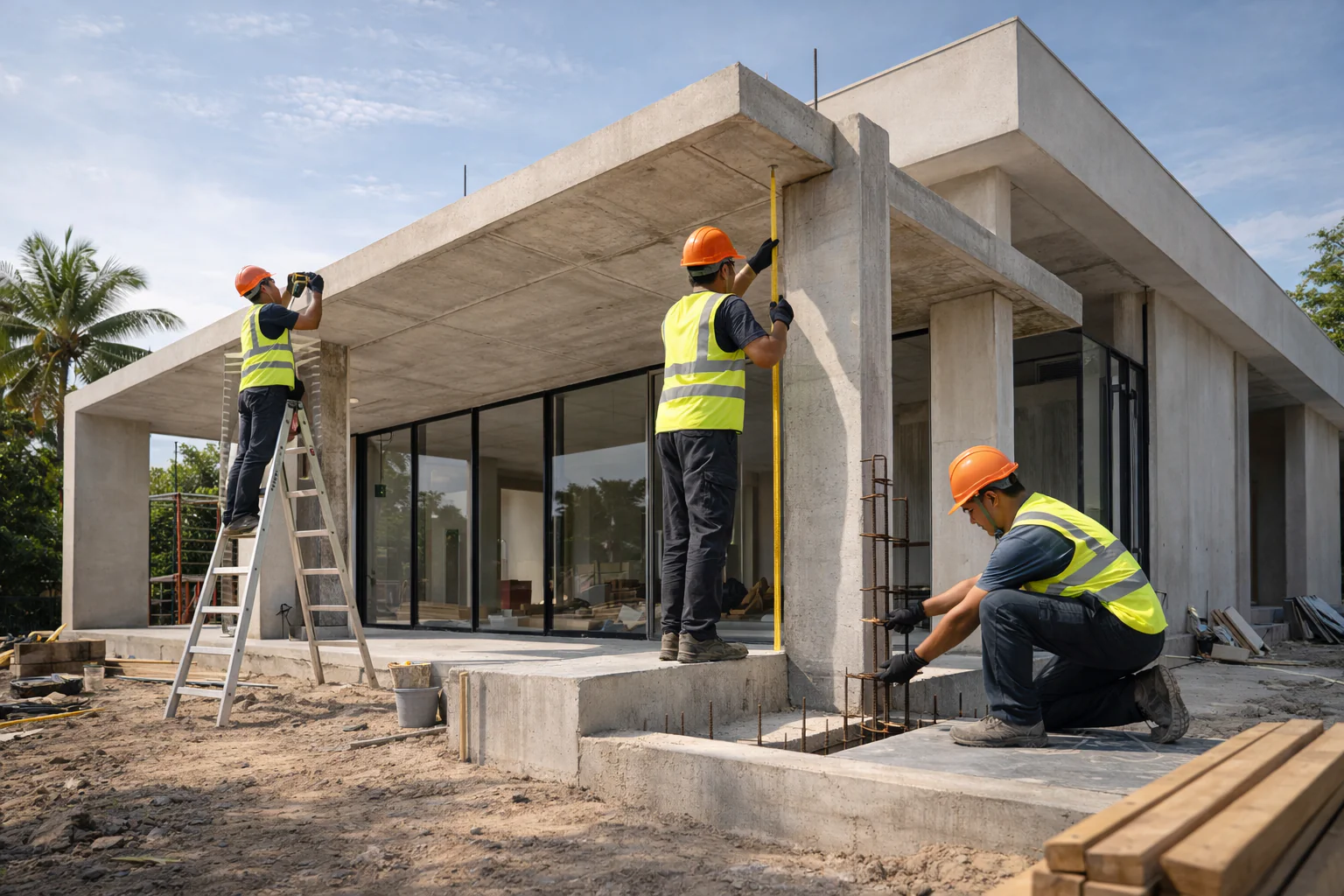
Determining lighting locations should be done during the planning stage, along with determining the room layout and electrical installation. At this stage, residential contractors or home builders typically prepare wiring and outlet layout plans to ensure efficient lighting placement.
Planning light points from the start will help:
- Avoid demolishing walls after the house is finished.
- Ensure cables are securely and securely installed.
- Saves costs because there is no need for installation revisions later.
- Optimize natural and artificial lighting in a balanced manner.
Imagine if you only thought about the position of the lights after all the ceilings were installed, it would certainly be a hassle and expensive to change them.
This is where it is important to work with a home architect or contractor who is experienced in designing ideal lighting systems according to the building layout.
Factors to Consider When Determining Light Points
Before deciding on lighting placement, there are several things to consider. Good lighting isn't just about brightness, but also about visual comfort and the room's functionality.
Room Function
Each room requires a different level of lighting. For example:
- Living room: needs warm, even lighting to feel welcoming.
- Kitchen: needs bright, focused lighting on work areas such as the kitchen table or stove.
- Bathroom: needs soft lighting but bright enough to avoid shadows.
- Bedroom: it is recommended to use low intensity lights to make it more relaxing.
- Home office or workspace: requires high intensity white light to maintain focus.
By understanding the function of each room, a specialized facility contractor or commercial fit-out service can also tailor lighting needs to the interior design.
Ceiling Height
Ceiling height influences the type and position of lighting. For low ceilings, use downlights or ceiling lamps. For high ceilings, consider using pendant lights to enhance aesthetic appeal.
Natural Lighting
Take advantage of natural light from windows or skylights to reduce electricity consumption. Professional home renovation services will usually combine the direction of natural light with the position of lamps for a more harmonious result.
Types of Lamps
Use LED lights, which are more energy-efficient and long-lasting. The choice of light color (white, yellow, or neutral) will also affect the room's ambiance.
Lighting Principles Based on Home Zones
Public Area (Living Room, Family Room)
Public areas are the most frequently visited areas of the house. Use primary lighting in the center of the room, plus additional lighting in the corners to avoid dark areas. You can combine pendant lights and downlights to create a dynamic look.
If you're using a home builder or office contractor, ask them to help you arrange the lighting to ensure even light distribution. Don't forget to add decorative lighting like standing lamps or wall lamps to enhance the room's character.
Private Area (Bedroom)
In the bedroom, lighting should be soft and soothing. Avoid a bright main light in the center of the ceiling. Instead, use a bedside lamp or indirect lighting on the ceiling.
This concept is often used by professional contractors because it creates a modern yet functional feel. If your room is small, indirect lighting will help it feel more spacious.
Functional Areas (Kitchen and Bathroom)
In the kitchen, focus lighting on work areas like the cooktop, sink, and cabinets. Use under-cabinet lighting to eliminate shadows while cooking. In the bathroom, choose moisture-resistant, neutral-colored lighting to maintain a clear reflection in the mirror.
Kitchen renovation services and experienced bathroom renovation services usually already understand the lighting needs in this area, so the end result is not only neat but also safe.
Outdoor Area (Terrace and Yard)
Exterior lighting serves both as illumination and security. Use spotlights on exterior walls or garden lights to enhance the appearance of your home at night. If you work with a boarding house and shophouse contractor or home improvement service, they can add automatic sensors to turn the lights on at night.
Common Mistakes When Determining Home Lighting Points
Many homeowners only realize their mistakes after the lighting becomes uncomfortable. Here are some common mistakes you should avoid:
- Too few light points – making some parts of the room dark and uneven.
- Too many lights – causes glare in the room and wastes electricity.
- Lights without planning the direction of the light – for example shining directly into the eyes when sitting or sleeping.
- Not considering furniture – the position of the lamp is covered by a large cupboard or shelf.
- Ignoring the function of space – all rooms are given the same light intensity, even though their needs are different.
This mistake can be avoided if you work with a home architect or contractor who is experienced in designing functional and aesthetic lighting.
Practical Tips for Determining Home Lighting Points
So that you don't make a wrong move, here are some practical tips that you can apply:
Use the Electrical Plan as a Guide
Ask your home builder to create a complete electrical plan, including switch locations and wiring. This plan will help ensure all lighting fixtures are neatly planned and easily controlled.
Use a Combination of Lights
- Use a combination of general lighting, task lighting, and accent lighting.
- General lighting for main lighting (e.g.: middle ceiling).
- Task lighting for specific activities (e.g. work desk, kitchen).
- Accent lighting to highlight decorative elements (e.g. paintings, plants).
Use Dimmer
Install a dimmer switch so you can adjust the light intensity to suit your mood. This is effective in living rooms, bedrooms, and dining rooms.
Consult a Professional
If in doubt, consult a specialized facilities contractor or provider. commercial fit out services. They are experienced in determining lighting according to interior design and functional needs.
Interior Lighting and Aesthetics
Lighting has a significant impact on the aesthetics of a room. Lamps are not only a source of light but also a design element. The choice of lamp color, shape, and direction of light will all create a specific atmosphere.
For example, yellow lights create a warm atmosphere, while white lights give a modern and clean impression.
Choosing a hanging lamp or recessed lighting model can also emphasize the character of a minimalist, classic, or industrial design.
Professional home renovation services understand that lighting is an integral part of visual art. Therefore, lighting should be coordinated with wall color, ceiling texture, and furniture placement.
The Importance of Working with a Professional Contractor
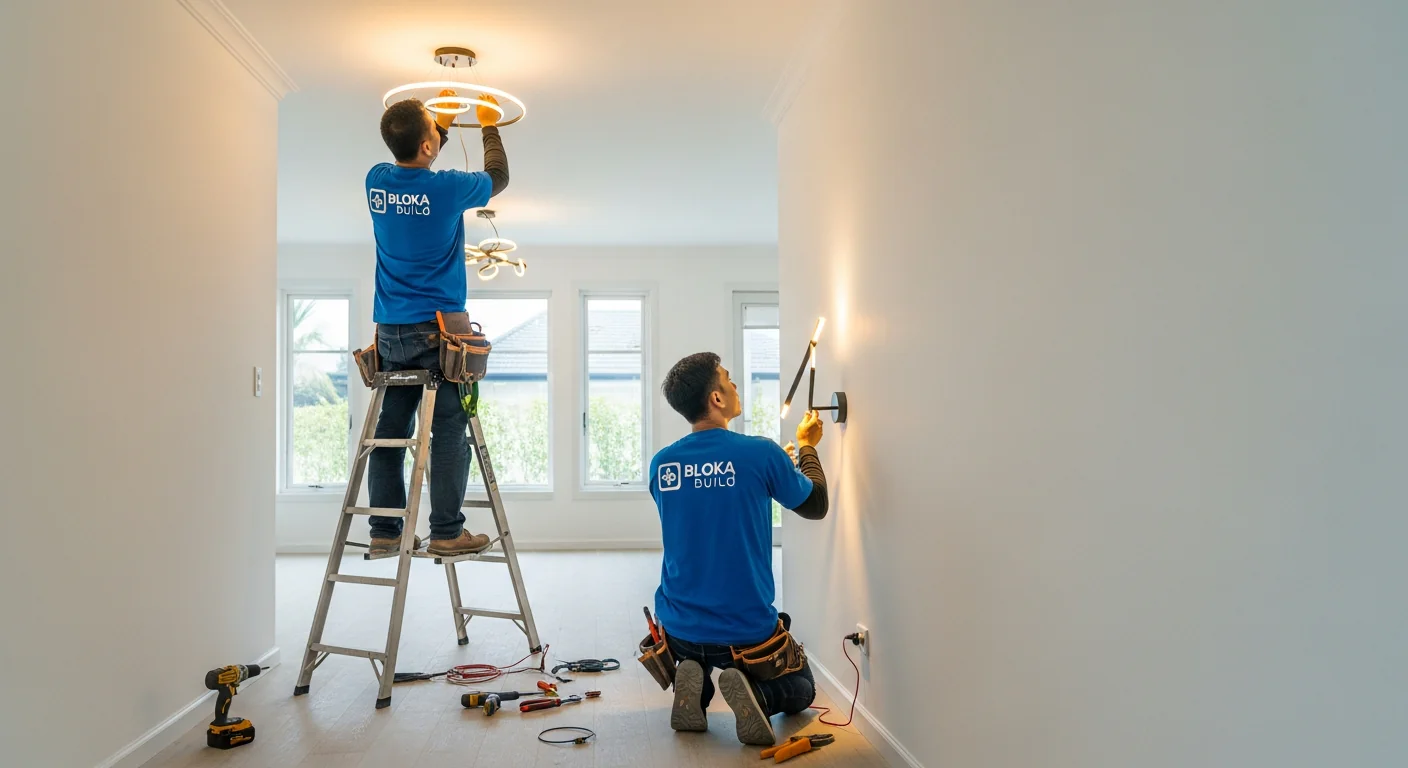
Determining the lighting points in a home may seem simple, but in practice, it requires technical knowledge of electricity, safety, and design. A small error can result in short circuits, uneven lighting, or skyrocketing electricity bills.
That's why you should entrust this job to professionals like Bloka Build — a contractor with experience in house building services in Palembang, interior renovations, to commercial fit outs.
Their team of experts will help you determine the optimal lighting layout according to the room's function, design taste, and budget.
Create a bright and comfortable home with Bloka Build
Now you know that determining the lighting points of your home is not just about placing bulbs on the ceiling, but an important part of the comfort and aesthetics of your home.
Every space has a different character and lighting needs, and the right decisions will make your home feel more alive, energy efficient, and visually appealing.
If you are planning to build or renovate a house, don't hesitate to consult with Bloka Build.
As a provider of home building services, home renovation services, and special facility contractors, Bloka Build is ready to assist you from the design stage to project completion with neat, safe, and high-quality results.
Contact Bloka Build now for a free consultation and make your dream home come true with perfect lighting!